
At Abarca, care is more than clinical—it’s connection, expression, joy, and possibility. To launch the Oasis Art Program, we hosted a special edition of Oasis Connections on Puerto Rico’s muralism and the contemporary ecosystems that power it—museums, artist-run spaces, and practicing muralists. Our goal was simple: show how art can shape the places we share, support well-being, and spark better work.
On stage were three distinct voices. Marina Reyes, curator and writer affiliated with the Museo de Arte Contemporáneo de Puerto Rico (MAC), traced how Caribbean art engages the “visitor economy” while centering archives and narratives of Caribbean and Afro-descendant artists. Adrián Martínez, co-founder of Contrabando PR and cultural producer, spoke to the power of artist-run platforms—editions, commissions, and spaces like El CoCa and Taller Secreto—to lower barriers between creators and audiences. Juan Ramón Gutiérrez, “The Stencil Network”, known for high-contrast stencil works in public space, shared lessons from the street; in 2025, his public-voted design became JetBlue’s special A320 livery “Isla del Bluencanto,” a flying canvas for Puerto Rico’s culture.
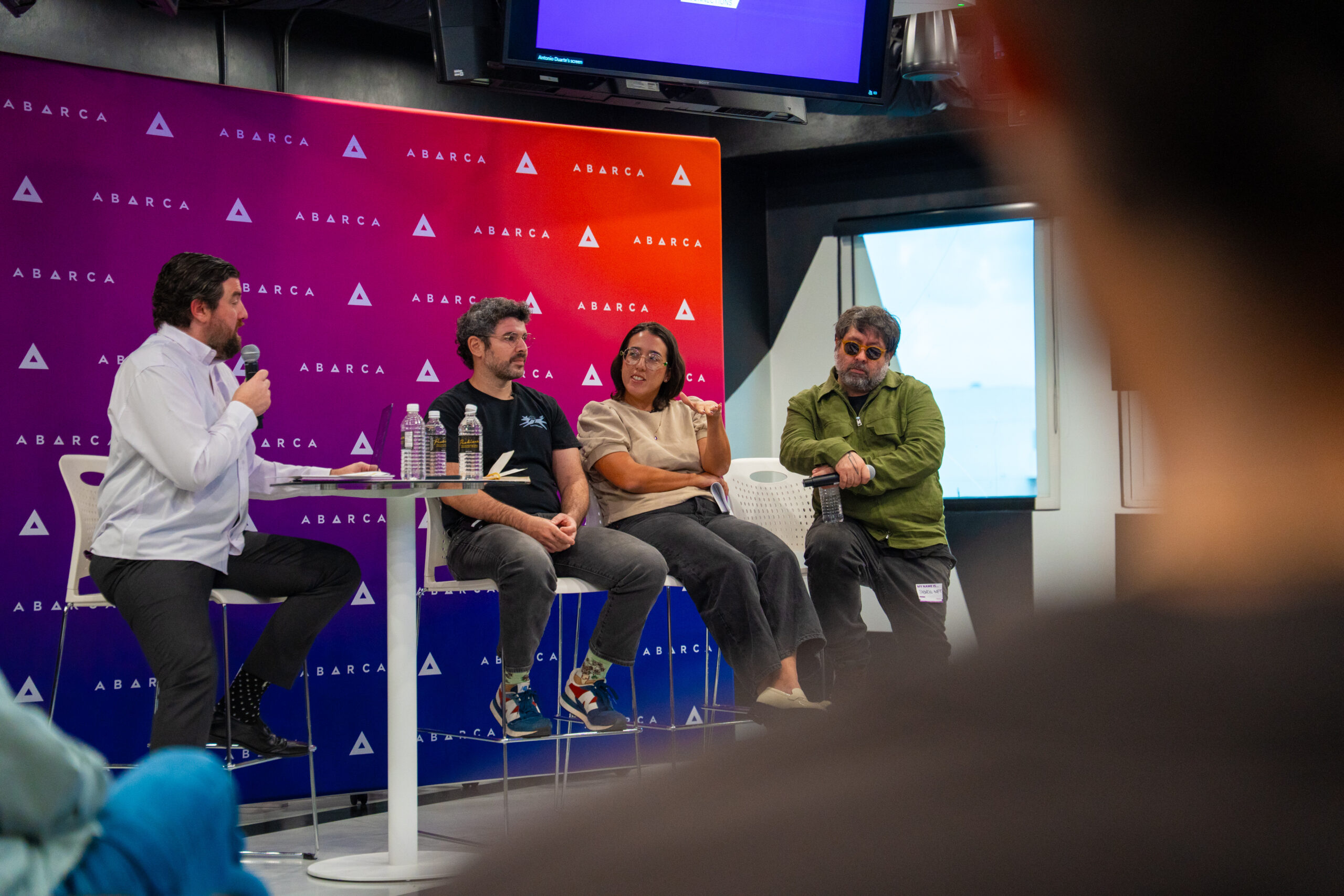
Picture caption: Antonio Duarte, Chief Marketing Advisor at Abarca Health, Adrián Martínez, co-founder of Contrabando PR, Marina Reyes, curator and writer affiliated with the Museo de Arte Contemporáneo de Puerto Rico (MAC), , and Juan Ramón Gutiérrez, “The Stencil Network”.
What became clear is that Puerto Rico didn’t just borrow muralism—it localized it. The island adapted the social scale and pedagogical impulse of the 1940s Mexican tradition to Boricua histories, migration, and everyday life, bridging everything from DIVEDCO graphics to the community brigades of the 1970s. That lineage explains why our walls feel both public and personal: they teach, remember, and organize.
Out of that history emerged a distinctly Caribbean voice. Tropical palettes, Afro-Caribbean cosmologies, marine life, flora, fauna, and syncretic iconography replaced grand nationalist allegories with the textures of lived reality. The result travels well—imagery rooted in place yet legible anywhere—giving Puerto Rican muralism global reach without losing its compass.
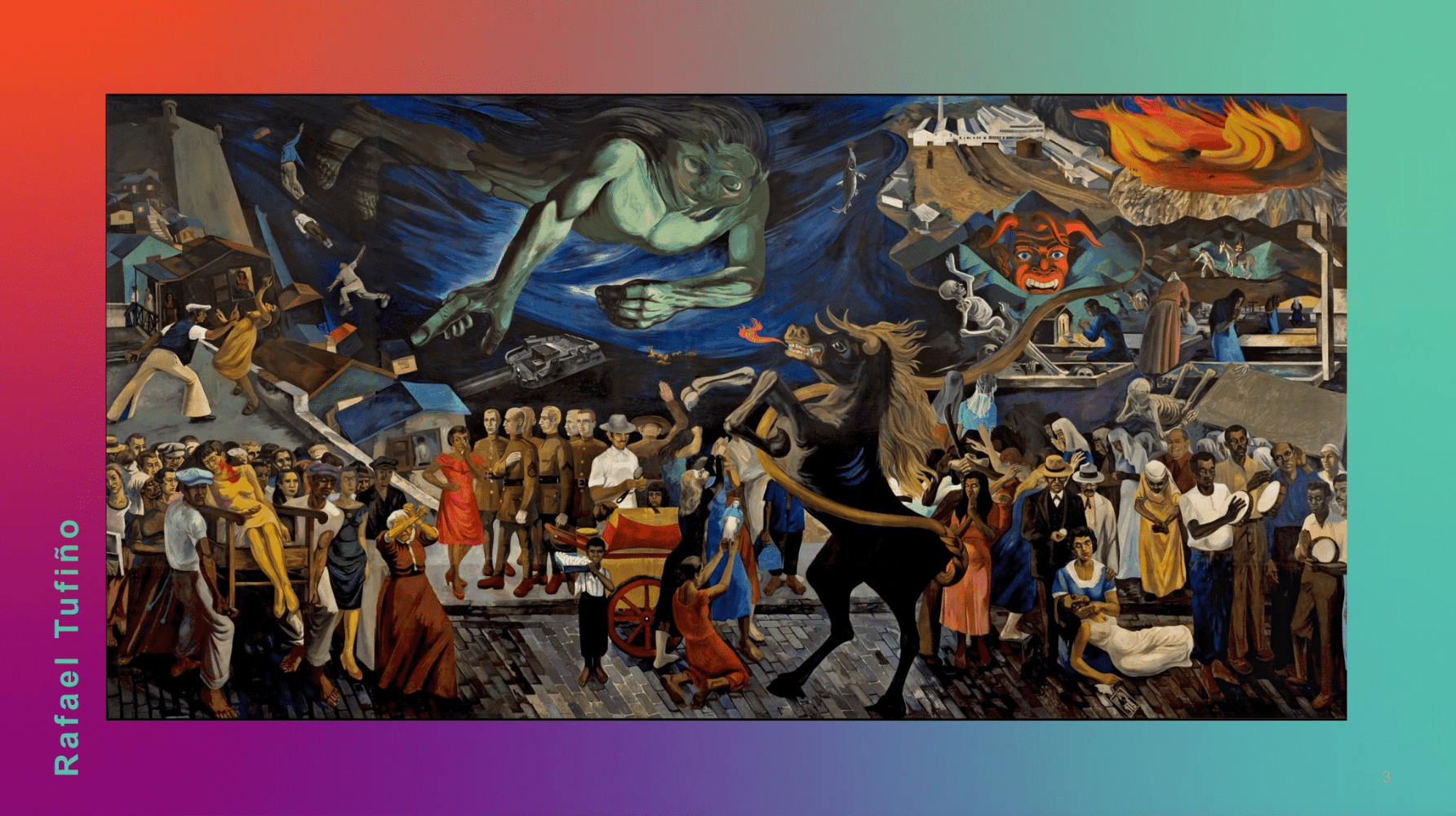
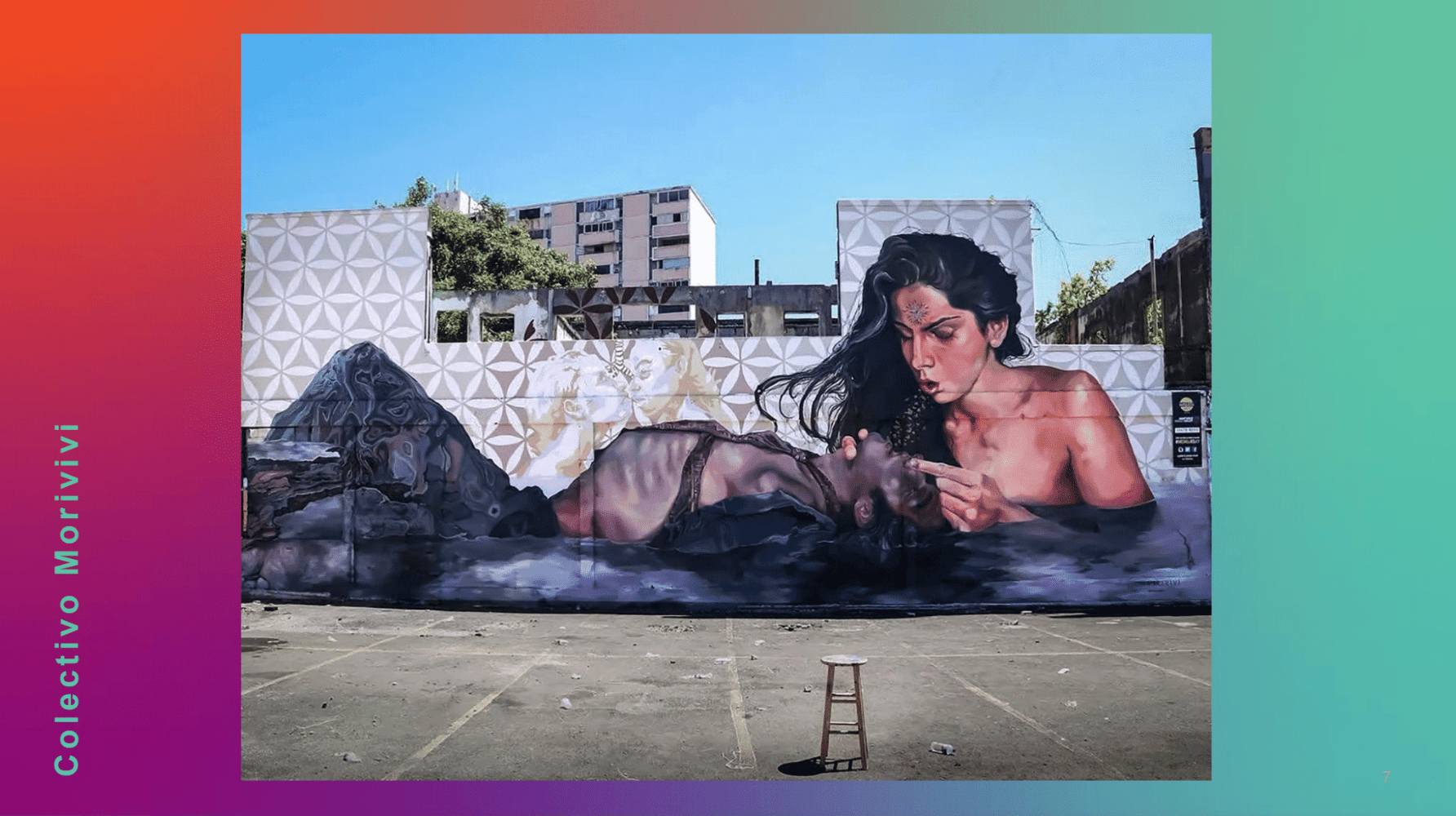
The street, meanwhile, functions as a classroom. Murals host conversations on identity, gender justice, housing, and climate—not as top-down messaging, but as co-creations with neighbors. The wall becomes a civic forum, where process matters as much as paint. That dialogue loops outward and back again: districts like Santurce operate as open-air studios whose aesthetics export across the Americas and Europe, while the diaspora returns techniques that stretch the local vocabulary. You can see it in today’s signatures—hyper-detailed linework, photorealistic “chrome,” bold stencil languages, and sweeping macromural color fields that marry craft to placemaking.
Our panel sharpened the picture. Marina noted that institutions and independents here tend to co-evolve rather than compete—community process is the differentiator. The Stencil Network underscored how festivals taught speed, scale, and audience literacy; symbolism has to be read from a block away. Meanwhile, Adrián described how Santurce lowers barriers between artists and audiences through editions, commissions, and working studios that sustain careers.
Threaded through it all was well-being. Exposure to art reduces stress and raises satisfaction at work; creative environments cultivate curiosity, empathy, and collaboration. And for companies, the charge is clear: corporate art should be co-creation, not decoration. If impact matters, measure it where it lives—workforce engagement, a stronger sense of place, and the bridges built between a campus and its community.
Where to see it now: stroll Calle Cerra in Santurce (DIY or guided), ride the Ponce de León corridor between Miramar and Hato Rey and check the Muraleza interventions around the Puerto Rico Museum of Art for museum-adjacent tours and talks.
For Abarca, the takeaway is practical and human: muralism is identity, resilience, and civic dialogue made visible; Santurce proves how art regenerates streets and supports small business; and creativity is part of how we care for teams, clients, and community.
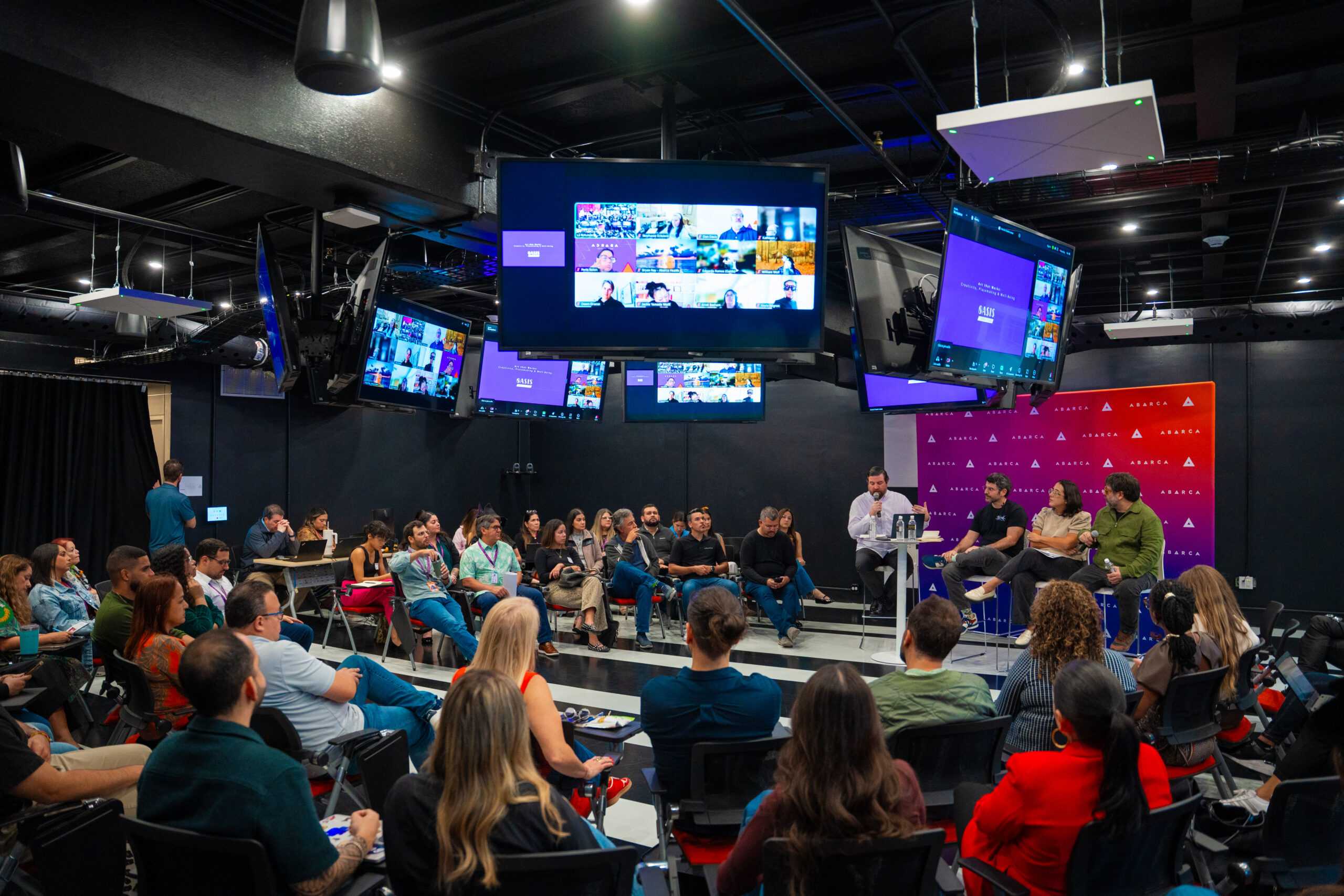
Join us. Visit Oasis Santurce for a guided walkthrough, bring your students for an educational tour, or explore a commission with your organization. Write to [email protected] with the subject “Oasis Art Program” to coordinate.
About Abarca Health
At Abarca, we believe in an Unstoppable Drive for a Better Way. Our commitment to making healthcare seamless and personalized for all drives us to innovate in AI, specialty pharmacy, and predictive analytics. By transforming challenges into opportunities, we deliver PBM like no one else: better patient outcomes and an overall revolutionary healthcare experience. Join us in shaping the future at the intersection of technology and care!